Updated for 2026 — This article has been reviewed and updated with the latest recommendations.
Finding the right bottle nipple can feel like solving a puzzle unique to your baby. What works perfectly for one infant causes sputtering, gas, or refusal in another. The shape, flow rate, and material all affect how well your baby feeds. Here are the best baby bottle nipples for 2026 to help you find the right match.
1. Dr. Brown's Options+ Level 1 Nipples
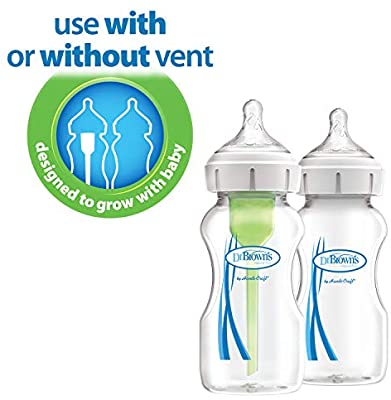
Dr. Brown's has been the pediatrician-recommended bottle brand for years, primarily because of their internal vent system that reduces air intake and colic symptoms.
The Options+ Level 1 nipple has a slow flow rate designed for newborns, with a naturally shaped tip that mimics breastfeeding. Babies transitioning between breast and bottle often accept Dr. Brown's more easily than other brands.
The nipples are made from medical-grade silicone that holds up well through dishwasher cycles and sterilization. A 2-pack costs about $5, which is reasonable given how frequently you should replace bottle nipples (every 2 to 3 months).
They fit all Dr. Brown's Options+ wide-neck and narrow-neck bottles.
Price: ~$5 (2-pack) | Check Latest Price
2. Philips Avent Natural Response Nipples
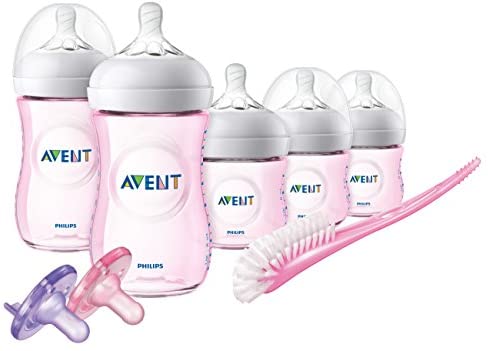
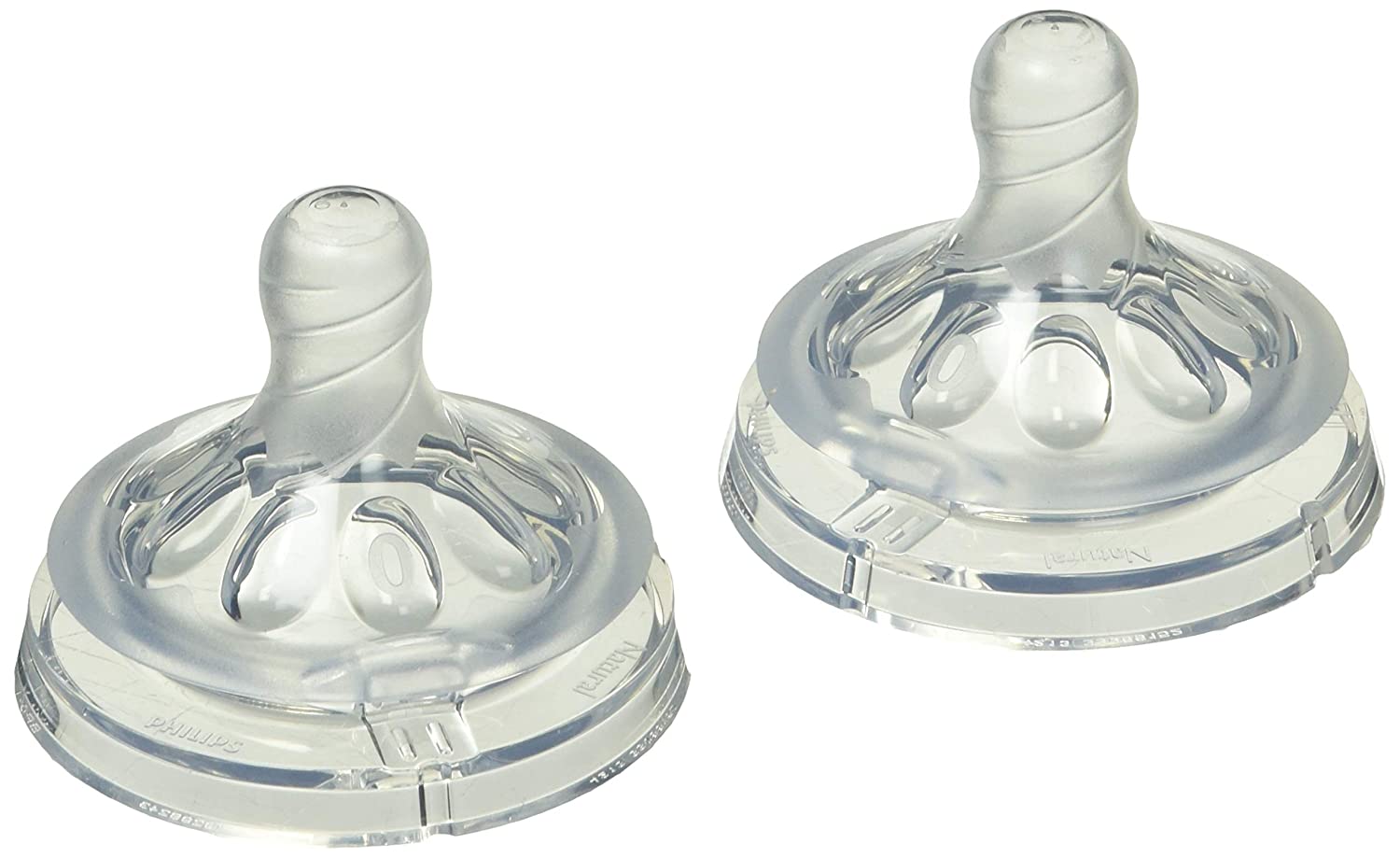
Philips Avent redesigned their nipples with the Natural Response line, and the improvement is significant. The nipple only releases milk when the baby actively sucks, which prevents dripping and overfeeding.
The wide breast-shaped design encourages a natural latch that most babies accept without fuss.
The flow rates are numbered 1 through 5, progressing from newborn through toddler. The silicone is soft and flexible, and the nipples are easy to clean because the design avoids hidden crevices where milk can get trapped. A 2-pack costs about $7. If you are using Avent bottles, these Natural Response nipples are a clear upgrade over the older Classic line.
Price: ~$7 (2-pack) | Check Latest Price
3.
Comotomo Natural Feel Nipples
Comotomo bottles and nipples are designed to be the closest thing to breastfeeding that a bottle can offer. The nipple is wide, soft, and stretchy, mimicking the natural feel of skin. The dual anti-colic vents are built into the nipple itself rather than requiring separate internal parts, which simplifies cleaning enormously.
Many breastfed babies who refuse other bottles will accept Comotomo, which makes these a go-to recommendation for parents dealing with bottle refusal. A 2-pack of replacement nipples costs about $8. They only fit Comotomo bottles, so you are committed to their ecosystem, but if it solves bottle refusal, that commitment is easy to make.
Price: ~$8 (2-pack) | Check Latest Price
4.
MAM Anti-Colic Nipples
MAM nipples feature a unique SkinSoft silicone surface that 94% of babies accept, according to the company's clinical studies. The textured surface feels more like skin than the smooth silicone used by most competitors. The flat, symmetrical shape means the nipple is always correctly positioned regardless of how the baby latches.
The anti-colic valve at the base of the nipple reduces air intake effectively.
MAM nipples are available in flow rates from 0 (preemie) through 3 (fast). A 2-pack costs about $6. They only fit MAM bottles, but MAM's self-sterilizing bottles are popular in their own right, so many families are already in the ecosystem.
Price: ~$6 (2-pack) | Check Latest Price
5. Tommee Tippee Closer to Nature Nipples
Tommee Tippee's breast-shaped nipple design has a wide base and a rounded tip that encourages a deep latch similar to breastfeeding.
The Easi-Vent valve prevents excess air from entering the milk, reducing gas and discomfort. The silicone is soft and responsive, flexing with the baby's sucking rhythm.
These nipples come in 6 flow rates from preemie through fast, giving you precise control as your baby grows. The wide neck makes them easy to fill and clean. A 2-pack costs about $6. Tommee Tippee is particularly popular in the UK and has a growing following in the US for good reason.
Price: ~$6 (2-pack) | Check Latest Price
6.
NUK Simply Natural Nipples
NUK Simply Natural nipples have multiple tiny holes instead of a single larger hole, which creates a milk flow pattern that more closely resembles breastfeeding. The idea is that milk comes from multiple ducts during breastfeeding, and this nipple replicates that experience. The asymmetric shape fits the baby's palate naturally.
The anti-colic air system vents air back into the bottle rather than into the baby's stomach. The nipples fit NUK Simply Natural bottles only. A 2-pack costs about $6. The multi-hole design is unique on this list and worth trying if your baby seems frustrated with the flow pattern from single-hole nipples.
Price: ~$6 (2-pack) | Check Latest Price
7. Lansinoh NaturalWave Nipples
Lansinoh designed the NaturalWave specifically for breastfed babies who need a bottle for daycare or when a partner feeds. The nipple flexes and stretches in response to the baby's tongue movements, requiring the same sucking action as breastfeeding. This helps prevent nipple confusion when switching between breast and bottle.
The AVS (Air Ventilation System) reduces colic symptoms. Made from hospital-grade silicone, the nipples are durable and easy to sterilize. A 2-pack costs about $6. For moms returning to work who want to maintain their breastfeeding relationship, Lansinoh NaturalWave is designed specifically for that situation.
Price: ~$6 (2-pack) | Check Latest Price
When to Change Nipple Flow Rates
Your baby will tell you when they need a faster flow. Signs include taking longer than 20 minutes to finish a bottle, falling asleep during feeds, acting frustrated or pulling off the nipple repeatedly, and flattening or collapsing the nipple from sucking too hard. Move up one flow rate at a time and watch how your baby responds. If milk drips from the corners of their mouth or they seem to be gulping and choking, the flow rate is too fast and you should go back down.
Most babies start on Level 1 (slow) and move to Level 2 around 3 months, Level 3 around 6 months, and Level 4 around 9 months. But every baby is different. Some stay on slow flow nipples through their entire bottle-feeding period, and that is perfectly normal.